


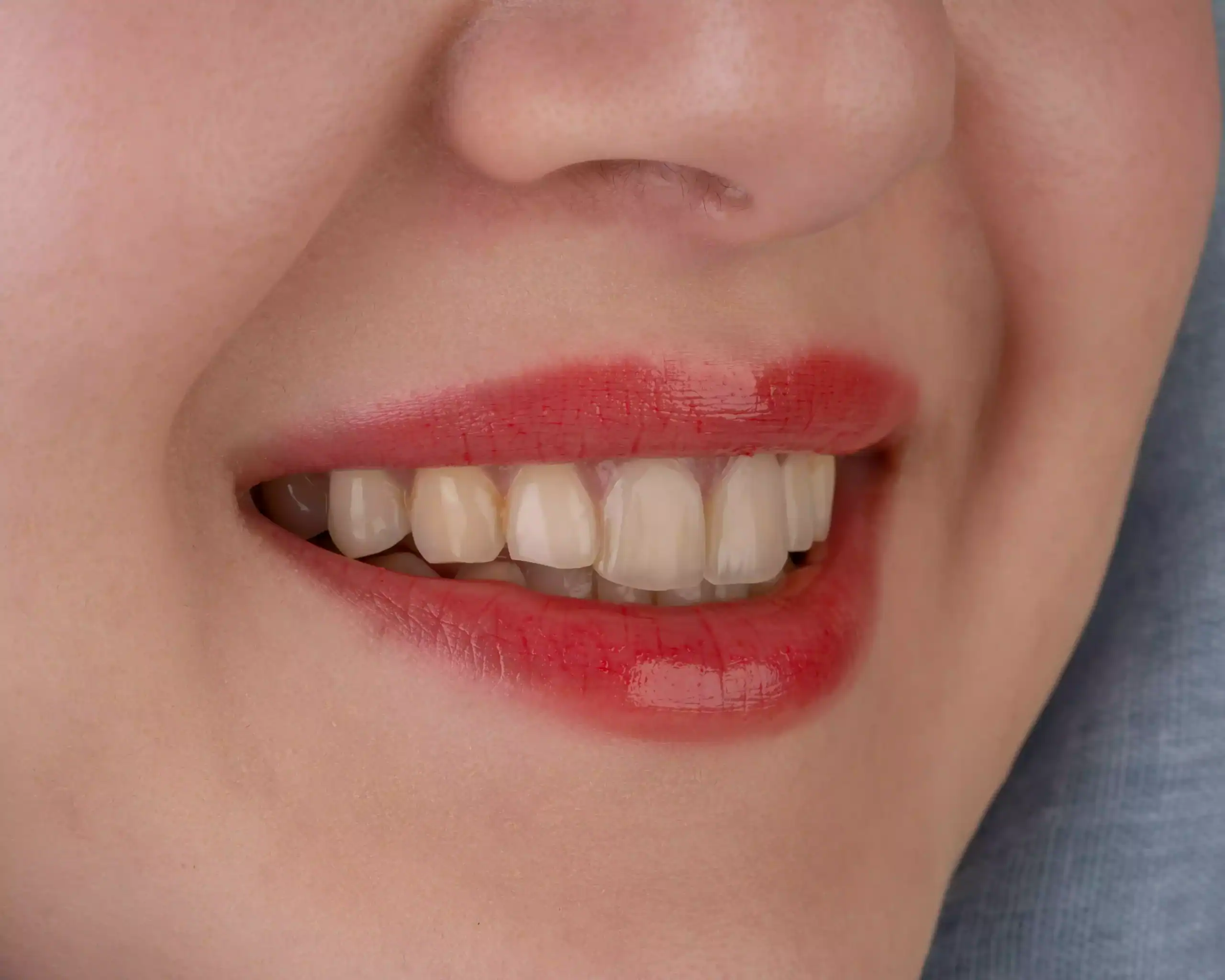
If you’ve ever felt self-conscious about discolored teeth, you’re not alone. Tooth discoloration is one of the most common cosmetic dental concerns, but it’s also surrounded by misinformation. Many people assume stained teeth are always caused by poor oral hygiene or believe that whitening products can fix every case.
The truth is much more complex. Tooth color can be influenced by age, genetics, lifestyle habits, medications, and even previous dental injuries. Understanding what really causes discolored teeth can help you choose the right treatment instead of relying on myths that often lead to disappointment.
Myth #1: Discolored teeth always mean poor oral hygiene
One of the biggest misconceptions is that discolored teeth are always the result of not brushing or flossing enough. While good oral hygiene is essential for maintaining a healthy smile, it isn’t the only factor that affects tooth color.
Many people who brush twice a day and visit the dentist regularly still experience discoloration. Drinks like coffee, tea, red wine, and soda can gradually stain enamel, while tobacco products are another common cause of staining. In some cases, medications or certain medical conditions can also affect the appearance of teeth.
Keeping your teeth clean helps reduce surface stains, but it doesn’t guarantee a perfectly white smile.
Myth #2: Whitening products are bad for your teeth
Professional whitening has become one of the most popular cosmetic dental treatments, yet many people avoid it because they worry it will damage their enamel.
When whitening products are approved by dental professionals and used as directed, they are considered safe for most patients. Some people may experience temporary tooth sensitivity, but this usually disappears shortly after treatment.
Professional whitening treatments are generally more effective than over-the-counter products because they use stronger whitening agents while protecting your gums and enamel throughout the process.
The key is choosing the right treatment for your specific needs instead of overusing whitening products without professional guidance.

Myth #3: Only older adults get discolored teeth
Although aging naturally changes the color of teeth, discolored teeth can affect people of all ages.
Younger patients may develop stains from coffee, energy drinks, soft drinks, smoking, or poor dietary habits. Certain antibiotics taken during childhood may also cause intrinsic discoloration that cannot be removed with whitening.
As we get older, enamel naturally becomes thinner, allowing the yellowish dentin underneath to become more visible. However, age is only one of many possible causes.
Understanding why discoloration occurs is much more important than focusing on age alone.
Myth #4: Every type of tooth stain can be whitened
This is one of the most common misunderstandings about discolored teeth. Whitening treatments work well for many patients, but they don’t solve every type of discoloration.
Dentists generally classify tooth stains into two categories:
- Extrinsic stains, which develop on the outer surface of the enamel because of food, beverages, or tobacco.
- Intrinsic stains, which develop inside the tooth due to trauma, certain medications, aging, or developmental conditions.
Extrinsic stains usually respond well to professional whitening. Intrinsic discoloration, however, often requires different cosmetic treatments to achieve noticeable improvements.
Knowing the cause of your discoloration is the first step toward selecting the treatment that will provide the best long-term results.
Myth #5: There’s nothing you can do about severe discoloration
Some people believe that if whitening doesn’t work, they simply have to accept their smile as it is. Fortunately, modern cosmetic dentistry offers several effective alternatives.
Depending on your situation, your dentist may recommend dental bonding, crowns, or porcelain veneers to improve the appearance of discolored teeth that don’t respond to whitening treatments.
Each option has its own benefits, and the best choice depends on your oral health, the severity of the discoloration, and your cosmetic goals.
Healthy habits that help prevent tooth discoloration
While not every cause of discoloration can be prevented, healthy habits can help keep your smile looking brighter for longer.
Some simple recommendations include:
- Brushing twice a day with fluoride toothpaste.
- Flossing daily.
- Rinsing your mouth after drinking coffee, tea, or red wine.
- Avoiding tobacco products.
- Visiting your dentist regularly for professional cleanings.
- Drinking plenty of water throughout the day.

These habits won’t eliminate every cause of discolored teeth, but they can reduce surface stains and help maintain the results of professional dental treatments.
When cosmetic dentistry becomes the best option
Sometimes, whitening simply isn’t enough. If the discoloration is deep within the tooth or caused by factors that whitening cannot correct, cosmetic dentistry may provide a more predictable solution.
For patients with severe discolored teeth, porcelain veneers can create a brighter, more uniform smile by covering the visible surface of the teeth. In addition to improving color, veneers can also correct small chips, worn enamel, uneven shapes, and minor gaps, making them a popular option for complete smile transformations.
A consultation with an experienced cosmetic dentist is the best way to determine which treatment will provide the most natural-looking results for your specific smile.
Achieve a brighter smile with veneers
If you’ve been struggling with discolored teeth and whitening treatments haven’t delivered the results you hoped for, it may be time to explore a longer-lasting solution. At Molar House, we provide high-quality veneers in Tijuana designed to create natural-looking, beautiful smiles that complement your facial features and personal goals.
Our team carefully evaluates the cause of your discoloration before recommending treatment, ensuring that veneers are only suggested when they truly are the best option. Whether your discoloration is caused by aging, medication, trauma, or intrinsic staining, we’ll help you find the right solution so you can smile with confidence again.