


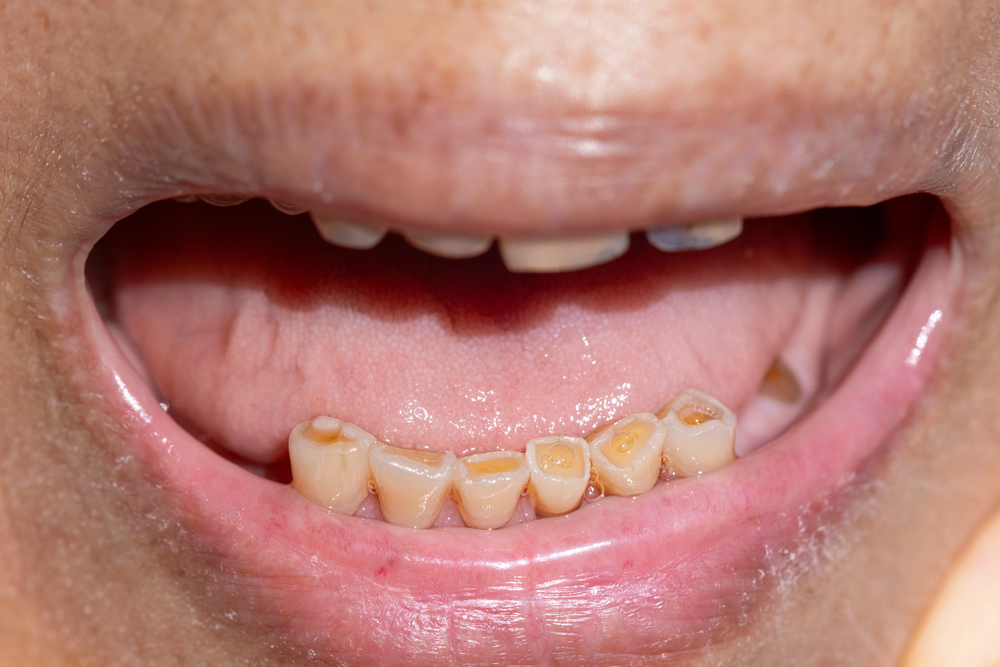
Emotional stress is an inevitable part of life, but did you know it can have profound effects on your oral health? Stress and teeth grinding, also known as bruxism, often go hand-in-hand, impacting not only your smile but also your overall dental health. Understanding the relationship between stress and oral health can help you take steps to protect your teeth and maintain a beautiful smile.
The connection between stress and teeth grinding
Teeth grinding, or bruxism, is a condition characterized by the involuntary clenching or grinding of teeth, typically during sleep. Studies have shown that there is a strong correlation between stress and teeth grinding, with increased stress levels often leading to heightened bruxism activity. This is because stress can manifest physically through muscle tension, which includes the muscles used for chewing.
The mechanics of teeth grinding
Understanding the process of teeth grinding is crucial for recognizing its signs and effects. During times of stress, the body’s fight-or-flight response is triggered, leading to muscle tension. In many people, this tension extends to the jaw musculature, resulting in the clenching and grinding of teeth, often at night when they are unaware of it. This means stress and teeth grinding often occur simultaneously without conscious realization.

Signs and symptoms of teeth grinding
Identifying the signs of teeth grinding can aid in addressing the problem sooner rather than later. Here are some common indicators:
- Jaw pain and stiffness: Consistent pain or stiffness in the jaw muscles, especially upon waking, is a common sign of teeth grinding.
- Worn tooth enamel: A noticeable flattening or excessive wear on the teeth can occur due to repetitive grinding.
- Increased tooth sensitivity: Loss or thinning of enamel from grinding can lead to sensitivity to hot or cold foods and drinks.
- Headaches and migraines: Chronic headaches or migraines, particularly in the morning, can signal nighttime teeth grinding.
- Fatigue and sleep disruption: The effort involved in nocturnal bruxism can lead to disturbed sleep and resultant daytime fatigue.
The impact of stress and teeth grinding on your smile
The effects of stress and teeth grinding extend beyond discomfort, posing risks to your oral health and the aesthetics of your smile:
Tooth damage
Repeated grinding exerts excessive force on your teeth, leading to wear, chips, and even fractures over time. This damage might necessitate cosmetic treatments or restorative procedures to repair and preserve the affected teeth.
Gum recession
Bruxism can contribute to gum recession, as the pressure applied to the teeth can also affect the gums. This recession exposes the tooth roots, making them more susceptible to decay and sensitivity.
Alignment issues
Persistent grinding and clenching can shift teeth over time, leading to misalignment. This not only impacts the aesthetics of your smile but can also affect your bite and overall oral functionality, exacerbating further issues.
TMJ disorders
Stress and teeth grinding can lead to temporomandibular joint (TMJ) disorders. The excessive strain placed on the jaw muscles and joints can cause discomfort and impaired function, making movement difficult and sometimes painful.

Emotional health and dentistry: Understanding the link
Emotions significantly impact dental health, and stress is one of the most influential factors. Recognizing this link allows individuals to seek comprehensive care that addresses both psychological and dental aspects.
Psychological approaches
Managing stress is key to reducing teeth grinding and protecting your smile. Incorporate stress-relieving practices into your daily routine, such as:
- Exercise: Engage in regular physical activity to release tension and reduce stress hormones.
- Meditation and mindfulness: Practice mindfulness meditation to enhance relaxation and emotional well-being.
- Quality sleep: Aim for sufficient sleep each night to reduce stress and avoid exacerbating bruxism symptoms.
Dietary considerations
Fueling your body with the right foods can indirectly influence stress levels. Consuming a balanced diet rich in essential nutrients can improve your overall health and resilience to stress. Reduce caffeine and sugar intake, which can contribute to heightened stress and anxiety.
Professional therapies
For those dealing with severe bruxism, professional dental solutions can offer significant relief. Custom-made night guards from your dentist can protect your teeth from grinding damage, reducing the risks associated with stress and teeth grinding.
Preventive measures and treatments
Dealing with stress and its impact on your oral health requires a comprehensive strategy to prevent damage and maintain a healthy smile:
Regular dental checkups
Routine dental visits are essential for early detection and management of bruxism-related issues. Regular checkups allow your dentist to monitor any changes in your oral health and recommend appropriate preventive or corrective treatments.
Use of night guards
Dental night guards offer a physical barrier to cushion the effects of grinding during sleep. Wearing a custom-fitted night guard can prevent tooth damage and reduce muscle strain, easing the symptoms of stress and teeth grinding.
Stress management practices
Invest in stress management techniques. Consider activities like yoga, tai chi, or deep breathing exercises to lower stress levels and mitigate its effects on your dental health.
Jaw exercises and massages
Performing facial and jaw exercises can strengthen teeth-grinding muscles and alleviate tension. Massaging the jaw and temples can bring relief from pain and promote relaxation.

Prioritizing your oral health
Understanding the connection between stress and teeth grinding empowers you to take proactive steps in managing both emotional and dental health. By acknowledging the role of stress in bruxism and addressing its symptoms, you can protect your smile and enhance your overall well-being.
When it comes to exceptional dental care and proactive dental solutions, Molar House is your best option for a dentist in Tijuana. Our dedicated team offers comprehensive care, blending expertise with compassionate support to ensure your oral health thrives.
As you work on balancing stress with effective dental care, embrace strategies that support both emotional well-being and oral health. This approach ensures your smile remains strong and beautiful, providing lasting confidence and health.