

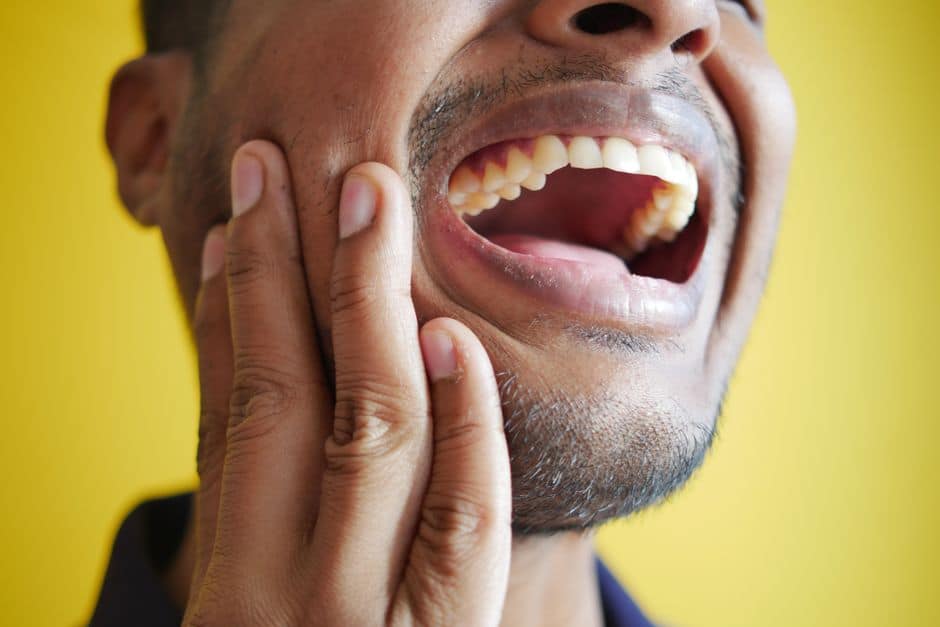
Tooth loss can affect much more than your smile. When a tooth is missing for an extended period, the jawbone no longer receives the stimulation it needs to maintain its strength and density. Over time, this can lead to bone loss in jaw, a condition that may affect oral function, facial appearance, and long-term dental health.
Many people are unaware that jawbone deterioration can begin shortly after tooth loss occurs. Because the process is gradual, the warning signs are often overlooked until more noticeable changes develop. Understanding the symptoms and risk factors can help you seek treatment before the condition progresses.
What is bone loss in jaw?
Bone loss in jaw refers to the gradual deterioration of the bone that supports the teeth. Healthy teeth stimulate the jawbone every time you bite or chew. When a tooth is lost, that stimulation disappears, causing the surrounding bone to shrink over time.
Although tooth loss is the most common cause, several other factors can contribute to the condition, including periodontal disease, osteoporosis, trauma, and certain medical conditions that affect bone metabolism.
Without treatment, bone loss can continue to progress and create additional oral health challenges.
Why jawbone health matters
The jawbone serves as the foundation for your teeth and facial structure.
When bone volume decreases, it can affect:
- Tooth stability
- Bite alignment
- Facial appearance
- Chewing efficiency
- Long-term oral health
Maintaining adequate bone density is essential not only for preserving existing teeth but also for supporting future restorative treatments.
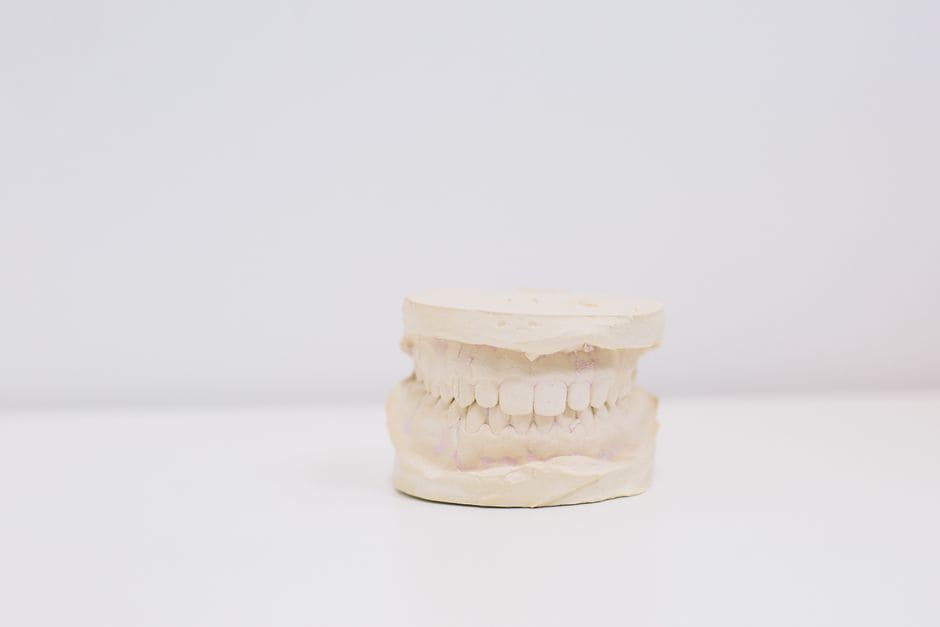
Early signs of bone loss in jaw
Recognizing the warning signs early can help prevent more extensive damage.
Shifting or loose teeth
One of the earliest indicators of bone loss in jaw is a change in tooth stability.
As the supporting bone weakens, teeth may begin to shift, feel loose, or develop small gaps between them. Changes in your bite may also become noticeable.
Receding gums
Gum recession often accompanies bone loss.
As the supporting structures deteriorate, the gum tissue may pull away from the teeth, exposing more of the root surface. This can increase tooth sensitivity and make teeth appear longer than normal.
Difficulty chewing
Changes in bone support can affect how your teeth function together.
Some patients begin to notice discomfort while chewing or experience uneven pressure when biting down. These symptoms should not be ignored, especially when combined with other warning signs.
Changes in facial appearance
The effects of jawbone deterioration often extend beyond the mouth.
A sunken facial appearance
As bone loss progresses, the lower portion of the face may lose structural support.
This can cause the cheeks to appear hollow or sunken, creating an older appearance than expected.
Changes around the lips and chin
Reduced bone volume may also affect the way the lips and chin are supported.
Some individuals notice increased wrinkles around the mouth or a collapsed appearance in the lower face.
Altered smile aesthetics
Because bone loss can affect tooth positioning and facial support, it may also change the appearance of your smile.
These changes can impact confidence and overall satisfaction with your appearance.
Common causes of jawbone deterioration
Several factors can contribute to the development of this condition.
Missing teeth
The most common cause of bone loss is untreated tooth loss.
When teeth are not replaced promptly, the jawbone no longer receives the stimulation necessary to maintain its density.
Periodontal disease
Advanced gum disease can destroy both soft tissue and supporting bone.
If left untreated, periodontal disease remains one of the leading causes of tooth loss and jawbone deterioration.
Osteoporosis
Systemic conditions that affect bone density throughout the body may also increase the risk of bone loss in jaw.
Patients diagnosed with osteoporosis should work closely with both medical and dental professionals to monitor their bone health.
Smoking and lifestyle factors
Smoking reduces blood flow to oral tissues and can interfere with healing and bone maintenance.
Poor nutrition, inadequate calcium intake, and certain medications may also contribute to reduced bone density over time.
How dentists diagnose bone loss
Early diagnosis plays an important role in preserving oral health.
Clinical examination
A dentist can evaluate signs such as gum recession, tooth mobility, and changes in bite alignment that may indicate bone loss in jaw.
Digital imaging
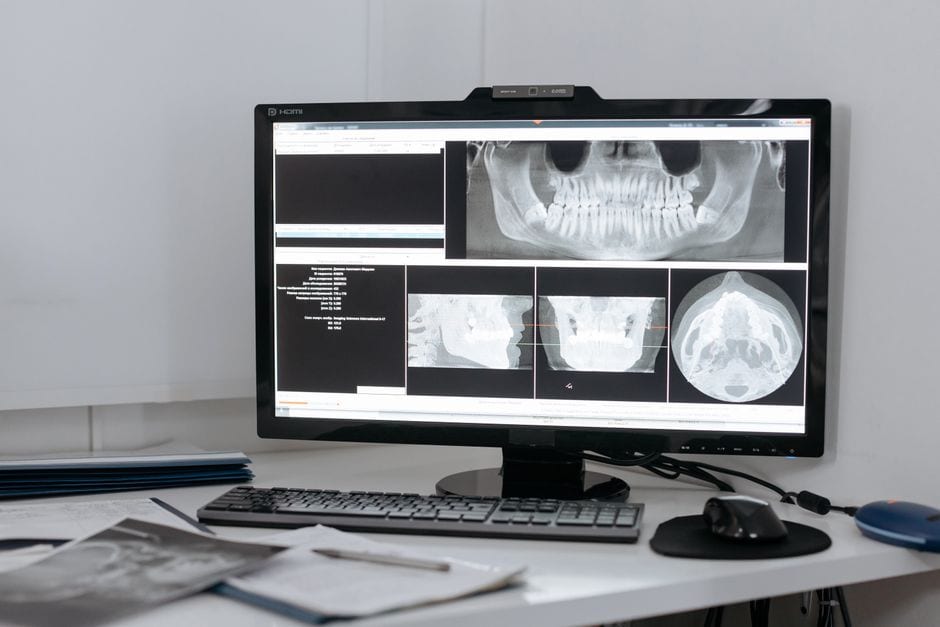
Advanced imaging technologies such as digital X-rays and 3D scans allow dental professionals to assess bone volume and identify areas of deterioration that may not be visible during a standard examination.
Treatment options for bone loss in jaw
The best treatment depends on the severity of the condition and the patient's overall oral health.
Bone grafting procedures
Bone grafting is often recommended when significant bone volume has been lost.
This procedure helps rebuild the jawbone and may prepare the area for future restorative treatment.
Managing periodontal disease
When gum disease contributes to bone loss in jaw, controlling the infection is an essential part of treatment.
Professional cleanings and periodontal therapy can help slow further deterioration.
Replacing missing teeth
One of the most effective ways to help preserve remaining bone is to replace missing teeth with solutions that stimulate the jawbone and restore function.
When to seek professional evaluation
Many people do not realize they are experiencing bone loss in jaw until significant damage has occurred.
You should schedule an evaluation if you notice:
- Loose teeth
- Gum recession
- Changes in bite alignment
- Difficulty chewing
- Facial changes after tooth loss
- Missing teeth that have not been replaced
Early intervention often leads to more treatment options and better long-term outcomes.
Restoring function after bone loss
The good news is that modern dentistry offers advanced solutions for patients affected by bone loss in jaw. Even when significant deterioration has occurred, many individuals can still achieve a stable, functional, and natural-looking smile with the right treatment approach.
At Molar House, we understand the challenges associated with missing teeth and jawbone deterioration. Our team provides comprehensive evaluations and personalized treatment plans designed to restore oral health, comfort, and confidence.
For patients experiencing extensive tooth loss and reduced bone support, all on 4 implants in Tijuana can offer a long-term solution that restores function while helping maximize available bone structure. If you are exploring options to rebuild your smile, Molar House combines advanced technology, experienced specialists, and patient-centered care to deliver exceptional results and help you regain confidence in your oral health.