


A brighter smile is one of the most requested goals in cosmetic dentistry, but getting there isn't always as simple as choosing a whitening product. Teeth whitening can produce impressive results when the discoloration is caused by surface stains, yet some patients see limited improvement even after professional treatment.
The effectiveness of teeth whitening is closely connected to why the teeth became discolored in the first place. The reason is that tooth color is influenced by enamel thickness, the type of staining, age, medications, previous dental trauma, and the natural shade of the teeth. Understanding these factors can help you avoid unrealistic expectations and choose a treatment that addresses the actual cause of discoloration.
Why some smiles respond differently
Teeth whitening does not change every type of tooth discoloration in the same way. Whitening agents work primarily by breaking down certain stain molecules, allowing the teeth to appear lighter. They cannot completely change the underlying structure or cover areas where the color comes from inside the tooth.
Your starting shade also matters. A person with mild yellowing from coffee may see a dramatic improvement, while someone with gray or brown intrinsic discoloration may notice a much smaller change.
The type of stain makes a difference
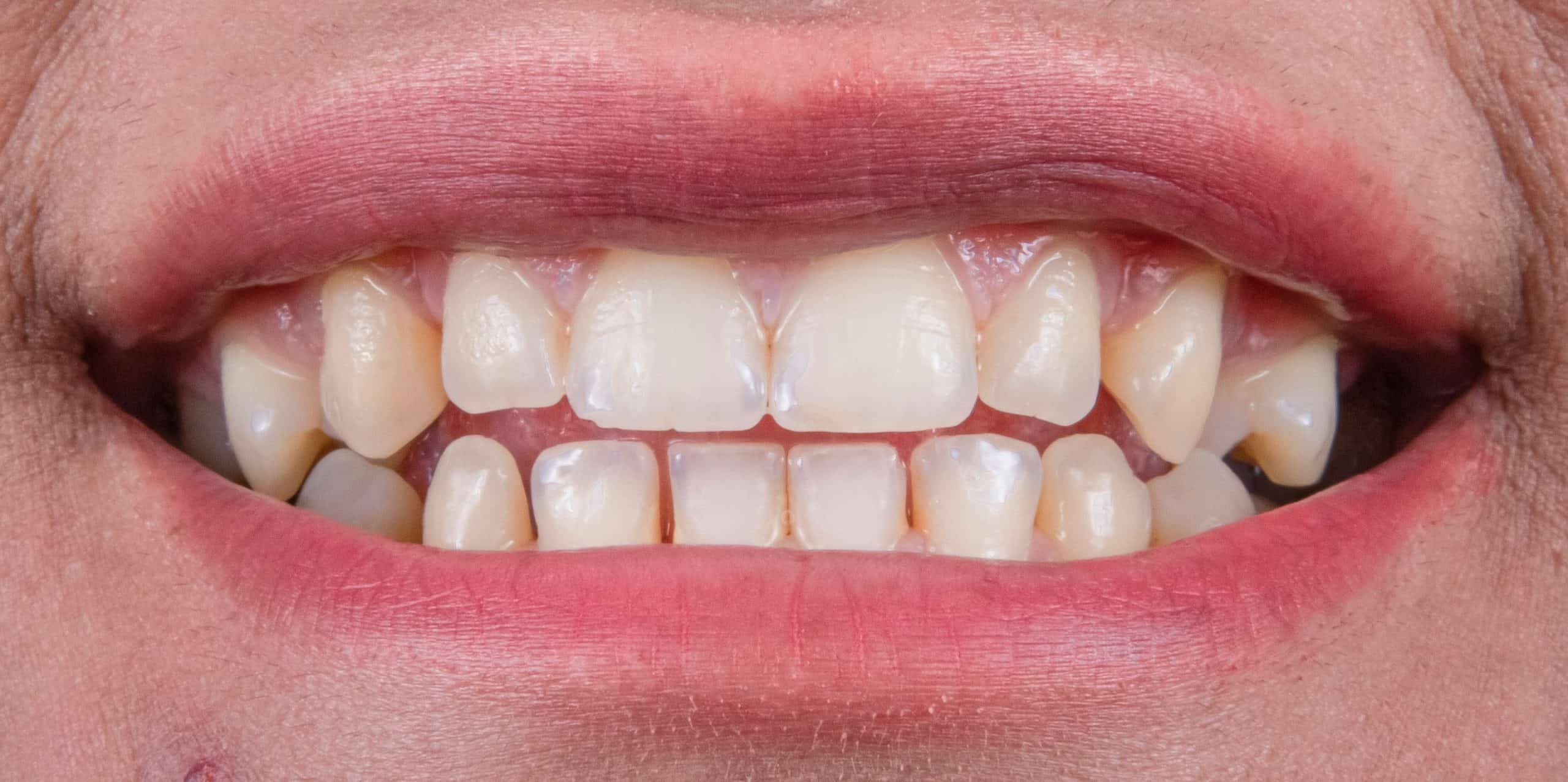
One of the most important factors is whether the discoloration is extrinsic or intrinsic. Extrinsic stains develop on the outside of the tooth and are commonly associated with coffee, tea, red wine, tobacco, and highly pigmented foods. These stains often respond well to professional whitening.
Intrinsic discoloration develops within the tooth. It can be associated with trauma, certain medications, excessive fluoride exposure during tooth development, or natural changes that occur with age. Because the discoloration is deeper, standard whitening may not produce the desired result.
This distinction is important when considering teeth whitening because patients often assume a stronger treatment will solve every type of stain. It is also important to remember that teeth whitening may not address discoloration that originates inside the tooth.
Natural tooth color and enamel thickness
Not everyone starts with the same natural tooth shade. Genetics influence the color, translucency, and thickness of enamel, which means two people can follow the same whitening routine and achieve different results.
Enamel also becomes thinner with age. Since the dentin underneath is naturally more yellow, its increased visibility can affect how bright your smile appears. Whitening can lighten stains, but it cannot completely eliminate the natural influence of dentin.
For some patients, the goal isn't simply to pursue teeth whitening. The goal is to create a smile that looks brighter, balanced, and natural. In those situations, cosmetic dentistry may offer a more predictable approach.
Existing dental work won't whiten
Another limitation is that whitening agents only affect natural tooth structure. Crowns, bridges, fillings, and other restorations generally do not change color when you whiten your natural teeth.
This can create an uneven appearance if you have visible dental work on the front teeth. A professional evaluation can help determine whether whitening is appropriate or whether another cosmetic treatment would create a more uniform result.
Lifestyle habits can affect results
Even successful whitening isn't permanent. Coffee, tea, red wine, tobacco, and other staining substances can gradually darken the teeth again. The frequency and amount of exposure can influence how quickly stains return.
Good oral hygiene, regular dental cleanings, drinking water after staining beverages, and limiting tobacco can help maintain a brighter smile. However, lifestyle changes cannot always prevent discoloration caused by intrinsic factors or the natural aging process.
For this reason, maintaining realistic expectations is an important part of any teeth whitening treatment plan. The goal isn't necessarily to achieve an unnaturally white shade but to improve the appearance of your smile while keeping the result appropriate for your individual features.
When whitening may not be the best choice
There are situations where whitening should be postponed or may not be the most appropriate cosmetic treatment. Cavities, gum disease, cracked teeth, exposed roots, and significant sensitivity should be evaluated before beginning a whitening program.
Teeth whitening can temporarily increase sensitivity, especially in patients who already experience discomfort with cold foods and drinks. Treating underlying dental problems first can make cosmetic treatment safer and more comfortable.
A consultation is particularly important when discoloration affects only one tooth. A single darkened tooth may have a different cause than generalized staining and could require a different treatment approach.
Over-the-counter vs professional whitening
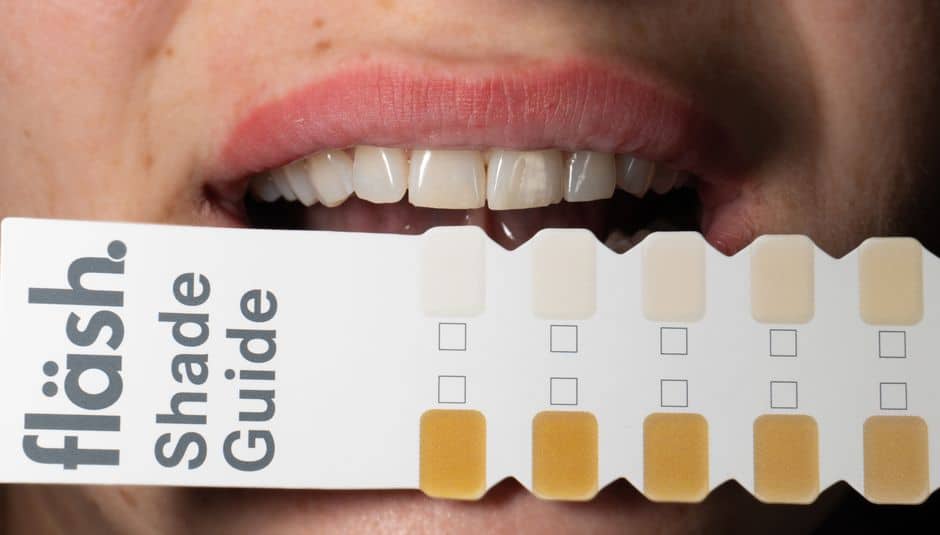
Whitening strips and toothpaste can be convenient options for mild surface staining. Whitening toothpaste generally helps remove external stains rather than dramatically changing the natural shade of the teeth, while strips may provide more noticeable results depending on their formulation and use.
Professional teeth whitening offers the advantage of dental supervision and a treatment plan based on your oral health and cosmetic goals. Depending on your needs, a dentist may recommend an in-office procedure or a professional take-home system.
However, professional whitening is not automatically the right answer for every patient. If the discoloration is deep, uneven, or related to the internal structure of the tooth, another cosmetic option may provide a more predictable result.
Why home remedies aren't always a good alternative
When whitening doesn't produce the expected outcome, some people turn to DIY remedies such as baking soda, hydrogen peroxide mixtures, lemon juice, or activated charcoal. These methods are frequently promoted online, but natural does not automatically mean safe or effective.
Aggressive scrubbing or acidic ingredients can contribute to enamel wear and sensitivity. Repeated experimentation can also delay appropriate dental care.
Rather than trying increasingly aggressive home methods, it is better to identify why the discoloration is occurring and discuss evidence-based options with a dental professional.
When cosmetic dentistry can provide a better solution
For patients whose concerns cannot be corrected through whitening alone, cosmetic dentistry can offer alternatives that address both color and shape. Dental bonding may be appropriate for certain minor imperfections, while porcelain veneers can be considered when a patient wants a more comprehensive change to the visible surface of the teeth.
Veneers can be especially useful when discoloration is intrinsic, resistant to whitening, or accompanied by chips, uneven edges, small gaps, or irregular shapes. Instead of attempting to bleach the natural tooth to a shade it cannot reach, veneers can create a customized appearance designed around the patient's smile.
That doesn't mean veneers are automatically better than whitening. The right choice depends on your teeth, oral health, expectations, and desired outcome.
Choosing the right treatment for your smile
If you are considering teeth whitening, start by determining what is actually causing the discoloration. A dental evaluation can identify stains, enamel concerns, existing restorations, cavities, gum problems, or other factors that could affect your treatment.
From there, your dentist can explain whether whitening is likely to meet your expectations or whether another cosmetic approach would be more appropriate. This personalized process helps you avoid spending money on products that cannot address the underlying problem.
Transform your smile with veneers
When teeth whitening cannot provide the level of change you want, Molar House offers another path toward a brighter and more balanced smile. If you are unsure whether teeth whitening is still the right option, our team can help you compare it with cosmetic alternatives. Our team provides veneers in Tijuana for patients who want to address persistent discoloration while also improving the shape, proportions, and overall appearance of their teeth.
At Molar House, we don't recommend a cosmetic treatment simply because it is popular. We begin by evaluating your smile, discussing your goals, and determining whether veneers are appropriate for your specific situation. This personalized approach allows us to create a treatment plan focused on natural-looking results rather than a one-size-fits-all smile.
If you've already tried teeth whitening and still aren't satisfied with your results, veneers may be worth discussing with our team. Schedule a consultation with Molar House to explore your options and discover whether veneers in Tijuana can help you achieve the smile you've been working toward.