


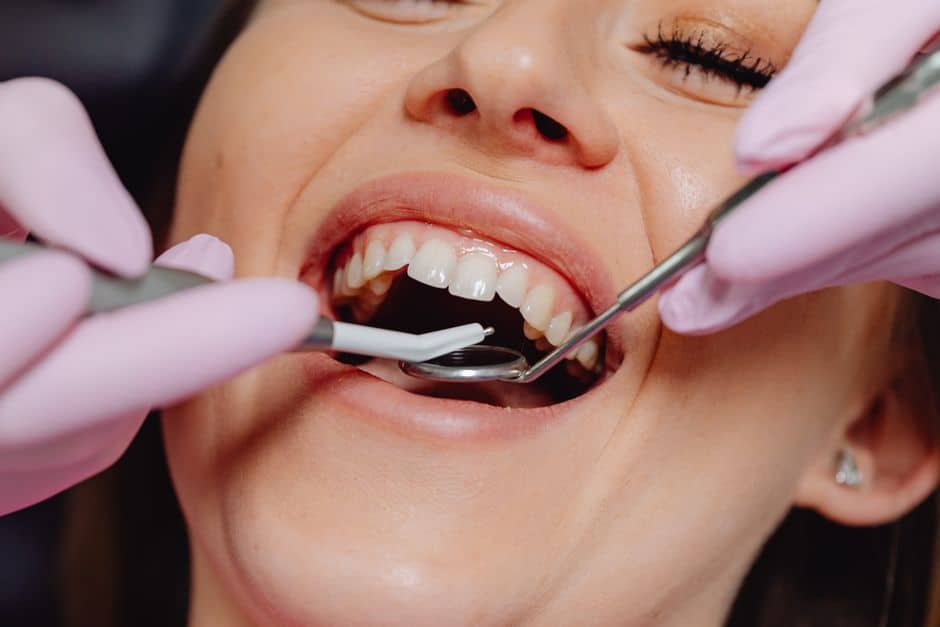
Uneven teeth can affect how you feel about your smile, especially when a few teeth look shorter, slightly rotated, chipped, or out of proportion. The right treatment depends on whether the concern is mainly cosmetic or connected to the way your teeth fit together. For mild appearance-related differences, porcelain veneers may be an option because they can change the visible shape, size, and color of selected teeth. A dental evaluation is the best way to determine whether veneers are appropriate or whether orthodontic or other treatment should come first.
What makes teeth look uneven?
Uneven teeth can describe several concerns. Some teeth overlap or tilt, while others appear longer, shorter, worn down, or differently shaped. Small gaps, chips, discoloration, and irregular edges can also make a smile look less uniform, even when the teeth are healthy.
Not every difference needs treatment. However, if uneven teeth make you hesitant to smile or if you have trouble biting or cleaning certain areas, a dentist can assess what is happening and discuss options that fit your needs.
Common causes of uneven teeth
Tooth position and appearance can be influenced by genetics, jaw development, early tooth loss, injury, grinding, and changes in gum health. Crowding may happen when there is not enough room for all the teeth to align. A chipped tooth or worn enamel can create an uneven edge, while gum recession or gum disease may change how much of a tooth is visible.
It is useful to identify the cause before choosing cosmetic treatment. Veneers can improve the appearance of some uneven teeth, but they do not move teeth or correct a bite problem. If the underlying concern involves significant crowding, tooth mobility, or the way the upper and lower teeth meet, orthodontic or restorative care may be more suitable.
Can veneers improve the appearance of uneven teeth?
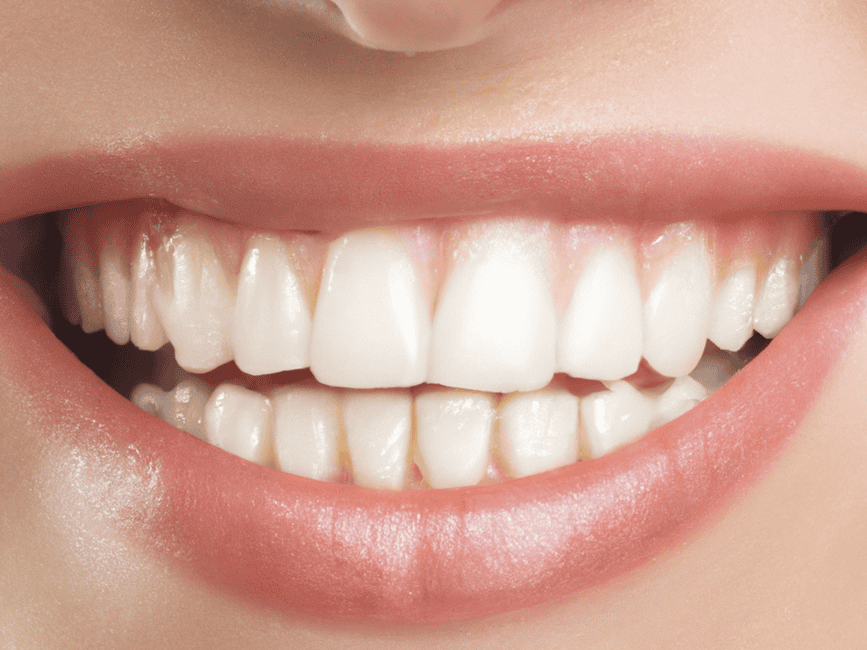
Veneers are thin, custom-made shells, usually made of porcelain or another dental material, that are bonded to the front surfaces of teeth. They can be designed to improve the shape, size, color, and visual alignment of a smile. For people with mild uneven teeth, veneers may create a more balanced appearance without moving every tooth into a new position.
For example, veneers may help when front teeth have small chips, irregular edges, slight differences in length, or gaps that affect the overall look of the smile. They can also be matched to a chosen shade so the treated teeth look consistent with the rest of your smile. The goal is not to make every tooth look identical, but to create a natural result that suits your facial features.
Veneers are not the right answer for every alignment issue. If teeth are significantly rotated, crowded, or positioned in a way that affects chewing, braces or clear aligners may be recommended before cosmetic treatment. Your dentist should assess your bite, enamel, gums, and existing restorations to determine whether veneers can address your concerns safely.
Veneers vs. braces and clear aligners
Braces and clear aligners gradually move teeth into different positions. They may be a better choice when uneven teeth are caused by moderate or severe crowding, spacing, or bite concerns. Treatment usually takes longer than a cosmetic procedure, but it addresses tooth position rather than masking its appearance.
Veneers change the visible surfaces of teeth. Depending on the case, the process may involve removing a small amount of enamel, and that change is generally irreversible. Veneers also do not prevent future movement or replace the need for good oral hygiene. When the concern is mainly shape, color, or minor visual imbalance, they may be worth discussing with your dentist.
Sometimes, the best plan combines treatments. A dentist or orthodontist may recommend aligning teeth first, then considering veneers for remaining differences in shape or color. The decision should be based on your oral health and long-term needs, not only on which option promises the quickest cosmetic change.
What to consider before getting veneers
Before choosing veneers for uneven teeth, ask for a complete examination. Your dentist should check for cavities, gum disease, enamel wear, grinding, and bite problems. Any active dental disease should be addressed before cosmetic work begins, since healthy teeth and gums help support a better long-term result.
You should also discuss how much enamel may need to be removed, which material is recommended, how the veneers will be maintained, and what alternatives are available. Porcelain veneers can be durable, but they are not indestructible; habits such as biting hard objects or opening packages with your teeth can damage them. If you grind or clench, your dentist may discuss a night guard.
It is important to have realistic expectations. Veneers can improve visible unevenness, but they cannot guarantee perfect symmetry or correct every functional issue. The most suitable plan considers the condition of each tooth and aims for an appearance that looks natural rather than overly uniform.
How to maintain your results
Whether you choose veneers, orthodontics, or another treatment, daily care remains essential. Brush twice a day with fluoride toothpaste, clean between your teeth daily, and attend regular dental checkups. Healthy gums are particularly important because gum changes can affect the appearance of your smile and the support around treated teeth.
Avoid chewing ice, pens, fingernails, or other hard objects. If you play contact sports, use a suitable mouthguard. Follow your dentist’s instructions for any recommended protective appliance, and contact the office if a veneer feels loose, chips, or causes discomfort. Do not try to repair or reattach a veneer yourself.
If you have had orthodontic treatment, wear your retainers as directed. Teeth can shift over time, and veneers are not a substitute for retention. Regular follow-up appointments help your dental team monitor both your restorations and your overall oral health.
Find out whether veneers are right for your smile
If uneven teeth are mostly a cosmetic concern, veneers may be one way to create a more harmonious smile. At Molar House, patients considering veneers in Tijuana can discuss their goals with a dental team and learn which options fit their teeth, bite, and oral health. A personalized evaluation can help determine whether porcelain veneers are appropriate or whether orthodontic treatment, bonding, or another approach would protect your teeth better.
Choosing Molar House means having the opportunity to review your options before deciding on treatment. Ask about the recommended material, the preparation process, expected maintenance, and the benefits and limitations of each approach. The right plan should be based on your individual smile, not a one-size-fits-all result.
Uneven teeth do not always require extensive treatment, and cosmetic changes should never come at the expense of dental health. With a careful assessment and a plan tailored to your needs, you can make an informed decision about improving your smile and maintaining the result over time.