


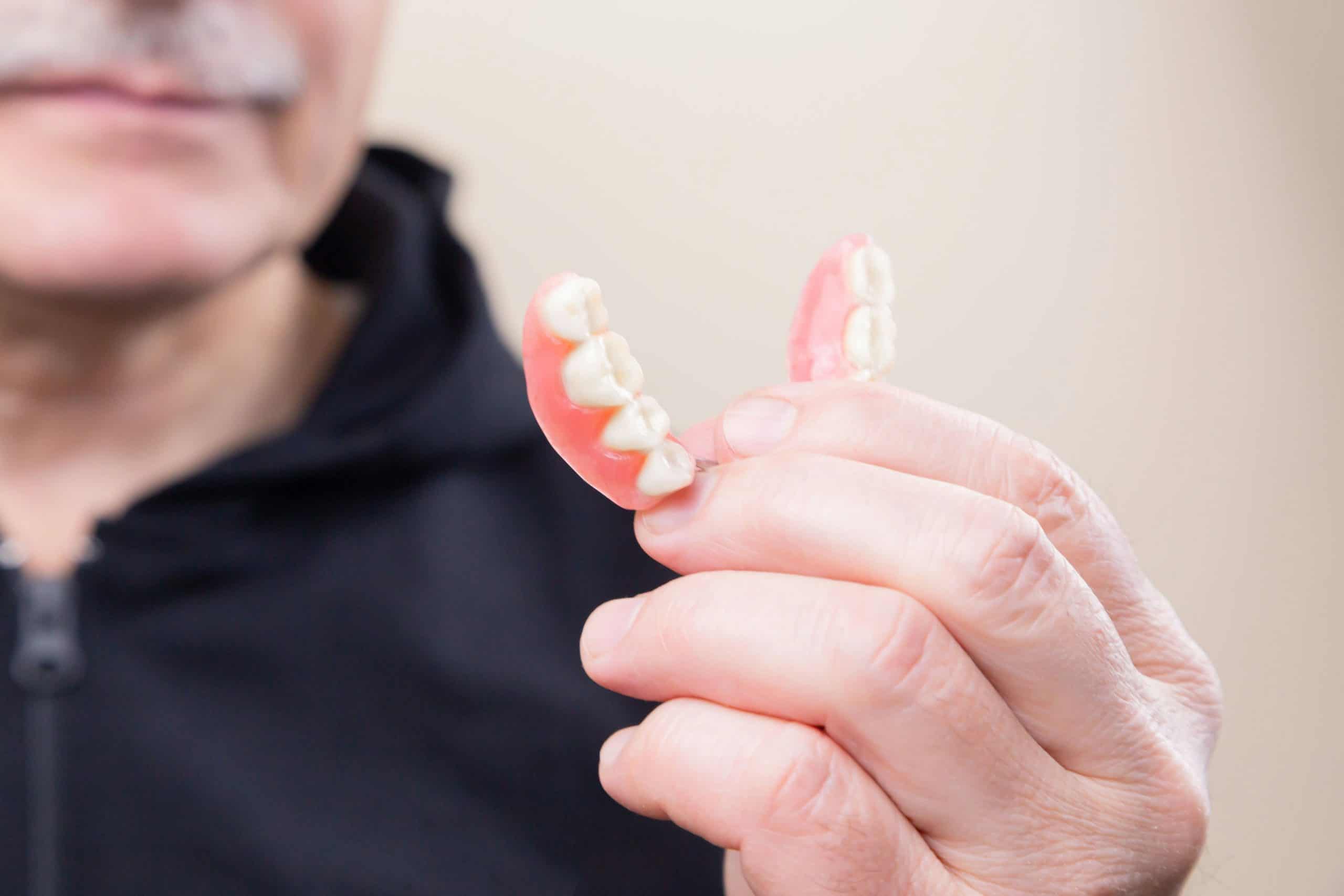
Losing an entire set of teeth can affect much more than your smile. Eating, speaking, laughing, and even feeling comfortable in social situations can become difficult. If you are missing all teeth, however, you are not limited to one solution. Modern restorative dentistry offers several ways to rebuild your smile, from traditional full dentures to implant-supported treatments designed for greater stability and function.
The right choice depends on factors such as your oral health, jawbone condition, lifestyle, budget, and the type of result you want. Understanding the differences between your options can make it easier to have a productive conversation with a dentist and determine which approach makes sense for you.
How losing all your teeth can affect your daily life
When you are missing all teeth, everyday activities that once felt automatic can become frustrating. Chewing may be difficult, particularly when eating tougher or crunchy foods. Speech can also change because teeth play an important role in forming certain sounds.
Tooth loss can also affect the appearance of your face. Without the support provided by teeth and their surrounding structures, the jawbone can gradually deteriorate. Over time, this bone loss may contribute to changes in facial proportions and a more sunken appearance around the mouth.
The emotional impact shouldn't be overlooked either. Some people become uncomfortable smiling, eating around others, or participating in social activities. Finding an appropriate restoration can therefore address both functional concerns and confidence.
Your main options for replacing all your teeth
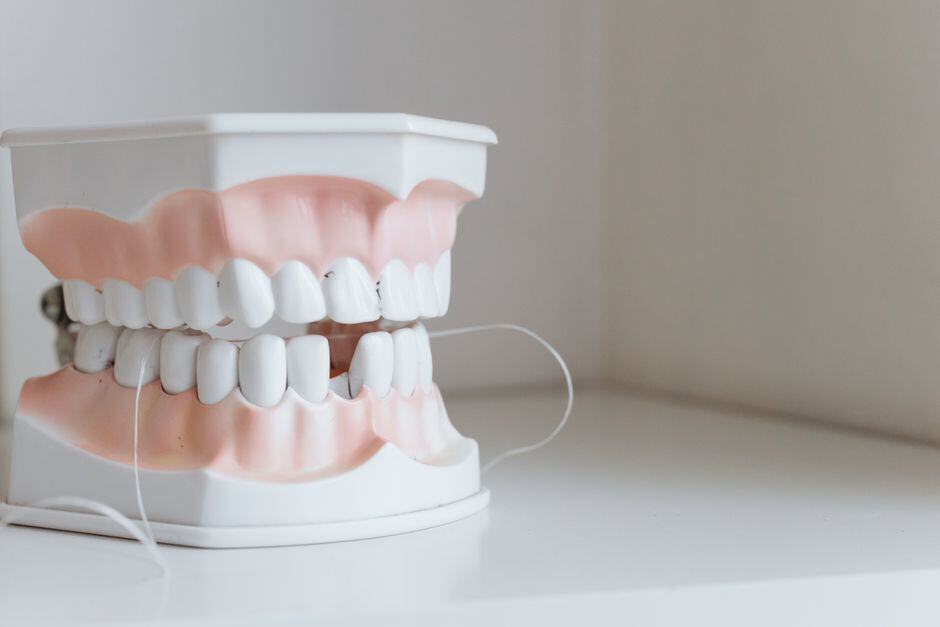
There isn't one solution that works for every person. If you are missing all teeth, your dentist may discuss several restorative approaches depending on your anatomy and goals.
Traditional full dentures
Full dentures are one of the most established options for replacing an entire arch of teeth. They consist of a removable acrylic base with artificial teeth designed to restore the appearance and basic function of a natural smile.
Modern dentures can look quite natural and are generally less invasive than implant treatment. They can also be an appropriate choice for patients who aren't candidates for implants or who prefer a removable restoration.
However, traditional dentures rely on the gums and underlying tissues for support. As the jawbone changes over time, the fit can become less secure, potentially resulting in movement while eating or speaking. Periodic adjustments or replacement may therefore be necessary.
Implant-supported dentures
Another option for someone missing all teeth is an implant-supported denture. Instead of resting entirely on the gums, the restoration is attached to dental implants placed in the jaw.
Because the implants provide additional support, this type of restoration can feel more secure than conventional removable dentures. Depending on the design, the prosthesis may be removable by the patient or designed to remain fixed in place.
The number and placement of implants vary depending on the treatment plan. Your dentist will evaluate your available bone and overall oral health before determining whether this approach is appropriate.
Individual dental implants
Individual implants can replace multiple missing teeth, but replacing an entire arch tooth by tooth can require a larger number of implants and a more extensive treatment process.
For someone missing all teeth, this approach may not always be the most practical solution. Treatment can involve multiple surgical procedures, a longer overall timeline, and potentially additional procedures such as bone grafting when there isn't enough bone available.
For patients who want to restore a complete arch, implant-supported solutions can sometimes provide a more efficient alternative.
How the all-on-4 treatment concept works
All-on-4 is an implant-supported approach designed to restore an entire dental arch using four strategically positioned implants. Rather than placing one implant for every missing tooth, the implants serve as anchors for a full-arch prosthesis.
This makes the treatment particularly relevant for people who are missing all teeth and want a fixed alternative to traditional removable dentures.
One of the advantages of this approach is that it can reduce the number of implants required to support a full arch. In selected cases, the strategic positioning of the implants may also allow treatment to be completed without certain bone-grafting procedures that might otherwise be necessary. However, this depends entirely on the patient's anatomy and treatment plan.
Can you get teeth the same day?
You may hear All-on-4 described as a "teeth in a day" solution. In some cases, patients who meet specific clinical requirements can receive a provisional prosthesis shortly after implant placement.
However, immediate loading is not appropriate for everyone. Implant stability, bone quality, bite forces, and other clinical factors must be evaluated before determining whether immediate function is possible.
The final restoration is typically planned after the implants have had time to heal and integrate with the surrounding bone.
Choosing between dentures and implant solutions
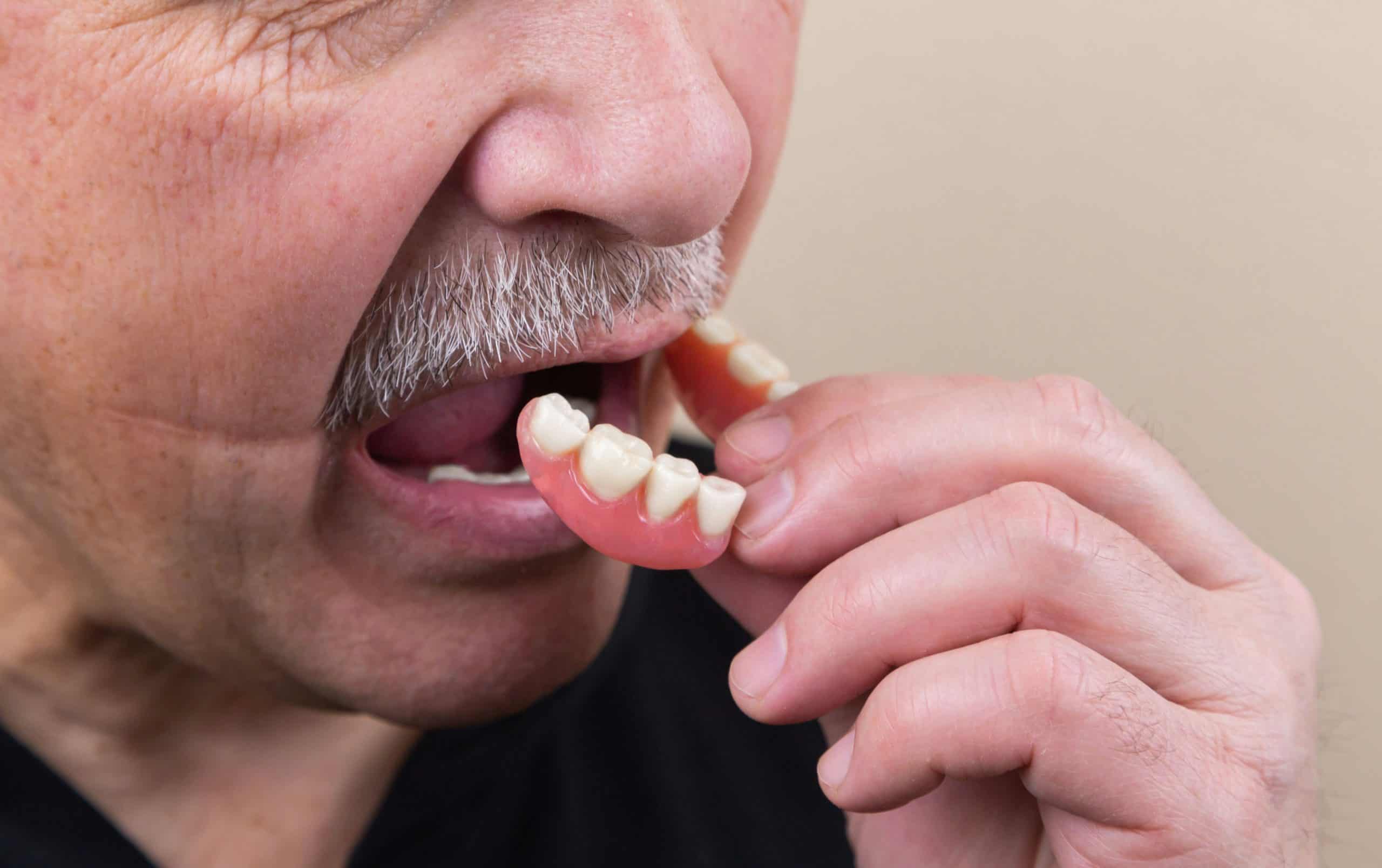
For patients missing all teeth, choosing between traditional dentures and an implant-supported restoration comes down to more than appearance.
Dentures may appeal to patients looking for a removable and generally less invasive option. They can restore the appearance of a full smile and improve basic chewing and speech.
Implant-supported solutions offer additional stability because the restoration is anchored to implants. This can make eating and speaking feel more secure and eliminate some of the movement associated with conventional dentures.
Cost, bone availability, medical history, maintenance, and personal preferences all need to be considered before making a decision.
What happens during an implant consultation?
If you are missing all teeth and are considering an implant-supported restoration, the process should begin with a comprehensive evaluation rather than choosing a procedure based solely on advertisements or price.
Your dentist may evaluate your gums, jawbone, bite, existing restorations, and overall oral health. Diagnostic imaging can also help determine the amount and location of available bone and assist with treatment planning.
During the consultation, you should have the opportunity to discuss your goals, expected timeline, maintenance requirements, and the differences between removable and fixed restorations.
A good treatment plan should be based on your individual anatomy rather than assuming that the same procedure is appropriate for everyone.
Why experience matters with full-arch restorations
When you are missing all teeth, you're making a decision that can affect your smile, comfort, eating habits, and daily life for years. That's why choosing an experienced dental team is just as important as choosing the restoration itself.
Full-arch implant treatment requires careful planning. Implant positioning, prosthetic design, bite alignment, aesthetics, and long-term maintenance all play a role in the final result.
It's worth asking a dental provider about their experience with full-arch restorations, what type of diagnostic imaging they use, what happens if additional procedures are needed, and how follow-up care is handled.
Restore your smile with all-on-4 implants
If you are missing all teeth and traditional dentures don't provide the stability or confidence you want, an implant-supported full-arch restoration may be worth exploring. At Molar House, patients considering all on 4 implants in Tijuana can receive a personalized evaluation to determine whether this treatment concept is appropriate for their needs.
What makes Molar House a strong choice is the focus on individualized treatment planning rather than presenting the same solution to every patient. Our team can evaluate your oral health, bone structure, functional needs, and aesthetic goals before recommending the most appropriate approach.
For patients who are good candidates, All-on-4 can provide a stable foundation for a full-arch restoration while using fewer implants than replacing every missing tooth individually. The treatment plan, timeline, and type of restoration will depend on your specific clinical situation.
If you are missing all teeth, you don't have to settle for a solution that makes you feel uncomfortable or limits your daily life. Schedule a consultation with Molar House to discuss your options and find out whether all on 4 implants could be the right path toward a more functional and confident smile.