


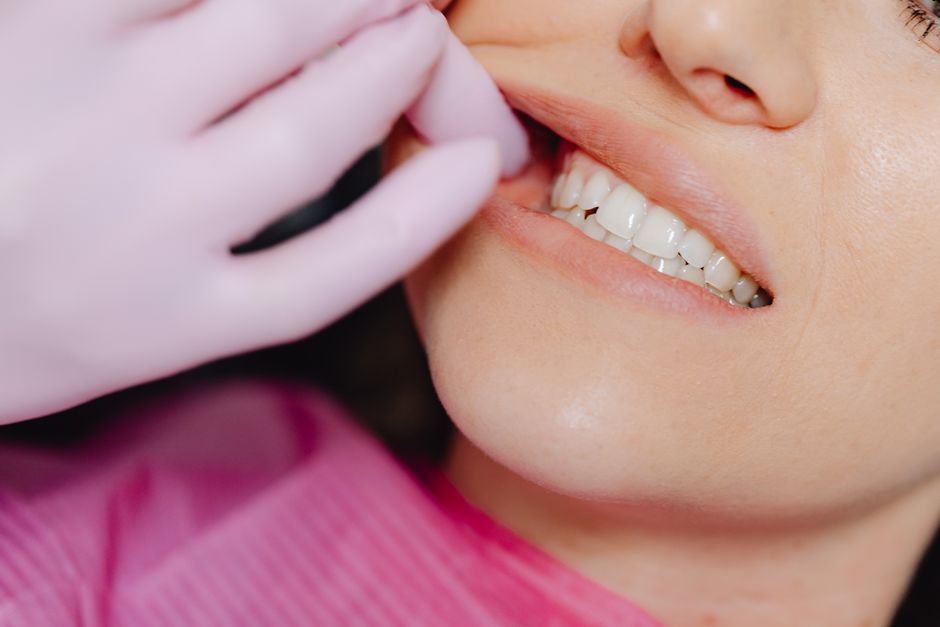
A small chip on an incisor can catch your eye every time you look in the mirror. While minor surface imperfections are often straightforward to correct, more substantial dental trauma presents a distinct clinical challenge. If a tooth has lost significant structure, exhibits severe internal staining, or requires extensive reshaping, simple surface bonding may fall short of providing the structural integrity or aesthetic longevity you need. Under these circumstances, exploring front teeth caps with an experienced cosmetic dentist offers a dependable path forward.
Selecting the right restorative treatment requires balancing tooth preservation, functional durability, aesthetic goals, and daily maintenance habits. Understanding how full-coverage crowns compare to conservative bonding techniques helps you determine whether your smile requires superficial cosmetic enhancement or total circumferential protection.
Understanding front teeth caps and direct dental bonding
Both dental bonding and crowns aim to enhance the appearance and function of your smile, yet they accomplish this through entirely different biomechanical principles.
Cosmetic front teeth caps are custom-milled, full-coverage dental restorations commonly known as crowns. They completely encase the entire visible portion of a damaged tooth above the gumline. Crafted from advanced biocompatible ceramics such as monolithic zirconia or lithium disilicate, front teeth caps replicate the optical depth, translucency, and natural light-reflecting properties of organic tooth enamel while reinforcing a compromised dental core.
In contrast, direct dental bonding involves the targeted application of composite resin directly onto the natural tooth structure. The clinician conditions the enamel, shapes the putty-like resin by hand to conceal isolated chips or close small gaps, and cures the material using a specialized high-intensity light. Bonding focuses on localized cosmetic corrections rather than full structural encapsulation.
Core differences in tooth preparation and material properties
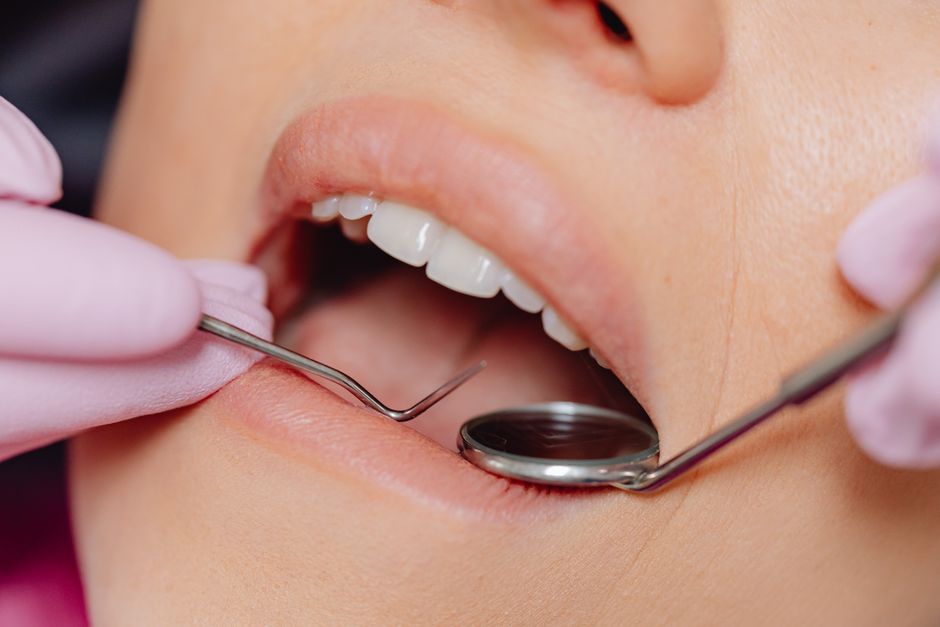
The technical boundary between direct composite bonding and full indirect restorations lies in preparation depth, mechanical retention, and material composition.
- Enamel preparation: Direct composite bonding requires minimal to no enamel alteration, leaving the natural tooth largely intact. In contrast, securely seating front teeth caps requires a dentist to systematically remove a uniform layer of natural enamel around the entire 360-degree circumference of the tooth. This preparation creates adequate room for the ceramic walls, preventing the finished restoration from appearing bulky or misaligned.
- Material composition and stain resistance: Bonding uses composite resin composed of organic plastic polymers filled with fine glass particles. Because resin is inherently porous, it absorbs pigments from coffee, tea, and everyday foods over time. Conversely, the medical-grade ceramics used in indirect dental caps remain completely non-porous, offering permanent stain resistance and high-gloss luster.
- Structural coverage and retention: Bonding adheres only to isolated surfaces of the enamel, relying on micromechanical bonding agents. Full restorations provide comprehensive encapsulation, distributing bite forces across the entire root structure rather than concentrating pressure on an isolated edge.
- Expected clinical lifespan: While composite bonding typically requires polishing or touch-ups every 3 to 7 years, high-grade indirect ceramics regularly provide a decade or more of dependable service under proper care.
When front teeth caps are the superior clinical choice
While conservative dentistry emphasizes keeping as much natural enamel as possible, certain clinical situations demand the total protection that only comprehensive restorations provide.
Extensive fractures, structural decay, or severe enamel wear
If a front tooth has lost more than half of its original clinical crown due to physical trauma, deep decay, or severe acid erosion, composite resin lacks the tensile strength to withstand biting stress over time. Placing front teeth caps distributes occlusal loads evenly across the underlying root and remaining tooth structure, dramatically reducing the risk of a catastrophic fracture that could necessitate tooth extraction.
Severe internal discoloration that resists whitening
Teeth that have suffered trauma or undergone endodontic treatment often turn dark gray or brownish-yellow from internal blood breakdown or medicaments. Topical whitening and thin resin layers cannot reliably mask deep tetracycline stains or non-vital tooth discoloration. High-opacity ceramic cores used in front teeth caps block underlying darkness completely, ensuring an uncompromised, bright smile.
Multiple teeth requiring comprehensive cosmetic alignment
When several adjacent front teeth display irregular wear, uneven edges, or varied surface textures, bonding each tooth individually can lead to inconsistent contours. High-precision front teeth caps allow cosmetic clinicians to establish uniform arch symmetry, proper tooth proportions, and cohesive light reflection across your entire aesthetic zone.
High functional demands and bite protection
Patients who demand long-term stability without frequent polish appointments benefit significantly from lab-fabricated ceramics. When designed with balanced occlusion, front teeth caps resist the daily friction of chewing far better than composite resins, which tend to wear down and lose their margins over years of use.
When dental bonding remains the better alternative
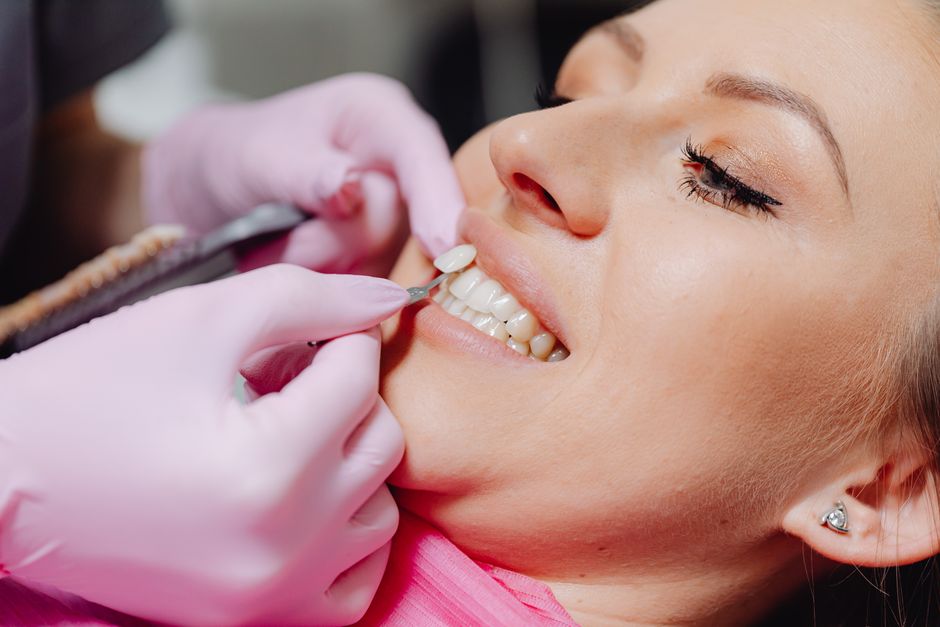
Despite the strength of full-coverage crowns, direct resin bonding remains a primary choice for conservative cosmetic dentistry under the right conditions:
- Minor chips and localized edge defects: If a small fracture involves only the superficial enamel layer, bonding restores the contour quickly without disturbing the rest of the tooth.
- Closing minor midline diastemas: Small gaps between structurally sound central incisors can be closed with composite resin in a single visit without cutting down healthy enamel.
- Budgetary and immediate timelines: For patients seeking an immediate transformation in a single morning, bonding bypasses the dental lab fabrication process and carries a lower upfront cost.
Comparing clinical longevity and daily maintenance
The true cost of any dental restoration extends beyond the initial placement appointment; it encompasses longevity, maintenance frequency, and replacement cycles over time.
While direct bonding typically requires resurfacing, polishing, or replacement within a few years, high-grade front teeth caps regularly provide 10 to 15 years or more of dependable service when supported by good oral hygiene. Because ceramic does not decay, maintenance centers on keeping the surrounding gum tissue healthy to prevent plaque buildup at the margin where the cap meets the natural root.
Both restorations require conscientious daily care:
- Brush twice daily using a low-abrasive fluoride toothpaste to protect restorative margins and adjacent natural enamel.
- Floss daily with smooth ribbon tape around the cervical margins of all front teeth caps to prevent localized gingivitis.
- Wear a custom-fitted occlusal night guard if you have a history of nocturnal bruxism (clenching or grinding).
- Avoid using front restorations as tools to open plastic packaging, rip tape, or chew ice.
Evaluating less invasive alternatives for front teeth
Before committing to full-coverage crowns, it is vital to discuss whether your cosmetic concerns can be addressed through less invasive cosmetic techniques.
When a tooth is structurally sound, healthy, and simply needs a dramatic aesthetic upgrade on its outward-facing surface, full 360-degree enamel reduction may be unnecessary. In such cases, ultra-thin ceramic shells known as veneers bond directly to the front surface, delivering the exact same luminous shade and symmetry as front teeth caps while preserving vital tooth structure along the back and sides.
A thorough clinical consultation will include digital photography, 3D intraoral scanning, and an analysis of your bite to determine whether full front teeth caps are medically indicated or if conservative facial veneers will yield a healthier, equally radiant result.
Transform your smile with veneers at Molar House
Choosing the right dental team is the most critical factor in achieving natural-looking, long-lasting aesthetic restorations. For patients seeking world-class cosmetic dentistry, choosing veneers in Tijuana at Molar House delivers a balance of artistic craftsmanship, advanced digital workflows, and unmatched value just across the border.
At Molar House, our cosmetic dental specialists prioritize tooth-preserving protocols whenever possible. While traditional clinics might default to aggressive 360-degree crowning, our clinicians thoroughly assess whether your smile can be perfected using ultra-thin porcelain veneers, reserving front teeth caps strictly for teeth that genuinely require full structural reinforcement.
Why Molar House is the premier choice for cosmetic dentistry
- Bilingual, board-certified cosmetic specialists: Our dental team combines extensive post-graduate training in aesthetic prosthodontics with an artistic eye for facial harmony, tooth proportion, and natural shade gradation.
- Advanced digital smile design: Utilizing high-resolution 3D intraoral scanners and digital preview software, Molar House designs your restorative plan down to the fraction of a millimeter, allowing you to preview and approve your new smile before preparation begins.
- Premium materials and in-house laboratory precision: We craft our restorations exclusively from top-tier dental ceramics, including genuine E.max lithium disilicate and high-translucency multilayered zirconia, guaranteeing restorations that resist chipping and blend seamlessly with your natural dentition.
- Seamless care for international and California patients: Located conveniently in Tijuana, Molar House provides exceptional cosmetic results at a fraction of US dental costs, supported by dedicated patient coordinators who ensure your visits are comfortable, efficient, and transparent.
Whether you need to rebuild a broken incisor with precision front teeth caps or desire a complete, luminous smile makeover with porcelain veneers, our team is committed to delivering comfortable, long-lasting results.
Schedule your cosmetic consultation at Molar House today and discover how our specialized approach to veneers can restore your confidence with a healthy, radiant smile.